When your Tulsa business needs a new roof, timing, planning, and execution all play critical roles in ensuring operations continue smoothly. A commercial roofing project is a major investment, but with the right approach, you can safeguard both your property and your productivity. At Nation’s Best Roofing, we understand the challenges business owners face during a roof replacement and specialize in solutions designed to keep your operations running efficiently.
In this comprehensive guide, we’ll explore how commercial roof replacement business continuity Tulsa strategies can protect your company from downtime, lost revenue, and unnecessary stress. To learn more information, follow us on our Facebook Page.
Understanding the Importance of Business Continuity During Roof Replacement
Every hour of downtime costs money. For Tulsa businesses, whether retail, industrial, or office-based, interruptions to daily operations can impact customers, employees, and long-term profits. Business continuity during roof replacement means ensuring your operations continue—either fully or partially—while work is underway.
The key is proactive planning. A properly executed industrial roof replacement continuity Tulsa plan involves communication between the roofing contractor, property management, and business stakeholders. The goal is to minimize disruptions while maintaining safety and efficiency throughout the process.
Common Causes for Commercial Roof Replacement in Tulsa
Before we dive into continuity strategies, it’s worth understanding why roof replacements become necessary in the first place. Tulsa’s weather can be unpredictable, and commercial roofs face constant exposure to the elements. Common causes include:
- Storm Damage: High winds, hail, and debris can weaken membrane seams or puncture the roof.
- Aging Roof Systems: Most commercial roofs last between 20–30 years depending on materials.
- Poor Installation: Incorrect installation can lead to leaks, ponding, and energy inefficiency.
- Water Intrusion: Persistent leaks can cause mold, rust, and insulation damage.
When these problems occur, a well-planned industrial roof replacement continuity Tulsa strategy ensures repairs happen with minimal disruption.
Planning Your Roof Replacement Timeline
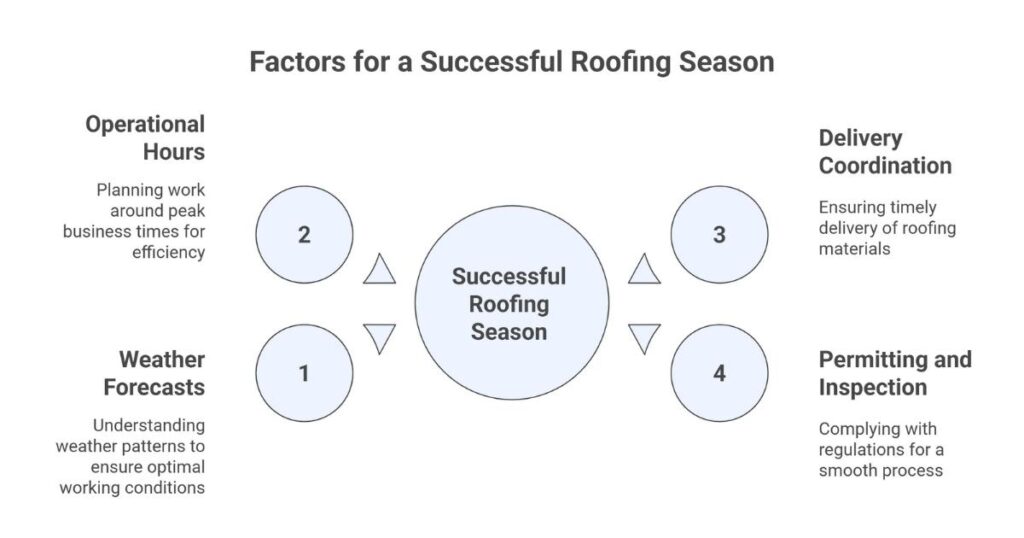
The first step in maintaining continuity is setting a realistic project timeline. A good roofing contractor will inspect your roof, identify potential hazards, and recommend a replacement schedule that minimizes downtime. For instance, if your business operates during standard working hours, the roofing team may perform work in phases or outside business hours. Planning around your operational needs is essential to successful commercial roof replacement business continuity Tulsa execution.
Important scheduling considerations include:
Communication is Key: Coordinating with Your Roofing Contractor
Clear communication is the foundation of every successful industrial roof replacement continuity Tulsa plan. Before the project begins, it’s important to discuss:
- Project duration and specific start/end dates
- Potential noise or access restrictions
- Safety precautions for staff and customers
- Emergency response procedures during construction
Safety Considerations During Roof Replacement
Safety should always be the top priority. Commercial properties often have HVAC units, electrical equipment, or skylights that add complexity to the roofing process. A well-prepared roofing contractor will implement OSHA-compliant safety measures that protect workers and building occupants alike.
Key safety protocols for industrial roof replacement continuity Tulsa include:
- Clearly marked restricted areas
- Rooftop fall protection systems
- Proper ventilation during adhesive applications
- Coordination with facility managers on access points
Protecting Your Inventory and Equipment
For many Tulsa businesses especially warehouses, manufacturers, or retailers protecting assets is vital. During a roof replacement, vibrations, debris, and potential leaks can threaten sensitive equipment or inventory.
A thorough commercial roof replacement business continuity Tulsa plan includes:
- Covering or temporarily relocating valuable equipment
- Installing protective barriers beneath active work zones
- Using containment systems for debris management
- Monitoring air quality if adhesives or coatings are applied indoors
Phased Roofing Projects: An Effective Continuity Solution
For large commercial buildings, replacing the entire roof at once may not be feasible. A phased approach allows contractors to section off parts of the roof, completing each area systematically. This technique minimizes noise, disruption, and safety risks.
Nation’s Best Roofing frequently recommends phased industrial roof replacement continuity Tulsa solutions for multi-tenant or high-traffic properties. It’s especially beneficial for hospitals, schools, or retail complexes where uninterrupted access is essential.
Benefits of phased projects include:
- Reduced operational impact
- Controlled work zones
- Easier scheduling flexibility
- Simplified progress tracking
Weather Preparedness and Tulsa’s Roofing Conditions
Tulsa’s weather can change suddenly—from summer heat to severe thunderstorms. Roofing projects must be carefully planned to avoid weather-related interruptions.
A proactive industrial roof replacement continuity Tulsa strategy includes:
- Choosing optimal roofing seasons (typically spring or fall)
- Using temporary waterproofing barriers
- Monitoring radar and forecasts daily
- Maintaining on-site weatherproofing equipment
Minimizing Customer and Employee Inconvenience
During commercial roof replacements, noise and access restrictions can frustrate employees or customers. Maintaining smooth business operations requires thoughtful preparation and signage.
Effective measures include:
- Posting “Work in Progress” notices in common areas
- Designating alternative entrances or parking zones
- Scheduling noisy activities outside operating hours
- Offering clear communication about expected disruptions
The Role of Roofing Material Selection in Business Continuity
The material you choose impacts not just your roof’s performance but also how quickly installation can occur. For instance, single-ply membranes like TPO or EPDM often install faster than built-up roofing systems. Selecting efficient materials improves industrial roof replacement continuity Tulsa by reducing construction time and minimizing operational disruption. A professional roofing consultant can help you weigh factors like:
- Installation speed
- Reflectivity and energy performance
- Maintenance requirements
- Warranty coverage
Working Around Specialized Business Environments
Some Tulsa businesses—such as restaurants, medical clinics, or data centers—have strict operational or cleanliness standards. These environments require extra precautions to maintain compliance during roofing work.
Our industrial roof replacement continuity Tulsa expertise allows us to customize strategies for:
- Air quality control during adhesive or coating use
- Temporary ventilation rerouting
- Containment barriers to prevent dust infiltration
- Quiet-hour scheduling for sensitive operations
Financial Planning for Roof Replacement
Budgeting for a commercial roof replacement requires more than material and labor costs. Smart financial planning includes accounting for indirect costs like temporary operational adjustments or protective equipment. A well-managed industrial roof replacement continuity Tulsa plan prevents unplanned expenses by forecasting potential disruptions early. Our team provides detailed estimates, helping you align costs with business objectives while keeping your bottom line protected.
Post-Replacement Follow-Up and Long-Term Maintenance
Once the new roof is installed, a final inspection confirms quality and ensures the work meets all local and manufacturer standards. But business continuity doesn’t end when the roofers leave ongoing maintenance protects your investment for decades.
Post-installation industrial roof replacement continuity Tulsa measures include:
- Annual inspections for wear and tear
- Cleaning drainage systems and gutters
- Verifying flashing integrity
- Monitoring for potential water pooling
Why Choose Nation’s Best Roofing for Your Tulsa Commercial Roof Replacement
When it comes to industrial roof replacement continuity Tulsa, Nation’s Best Roofing stands apart through experience, professionalism, and proactive planning. Our crews are trained to handle projects of any size with minimal interruption to your business operations.
We offer:
- Comprehensive project management
- Detailed scheduling coordination
- Certified roofing specialists for all major systems
- Transparent communication and daily progress updates
Final Thoughts
A successful commercial roof replacement doesn’t just protect your property—it protects your productivity. For Tulsa business owners, balancing efficiency, safety, and cost-effectiveness is crucial. With a carefully crafted commercial roof replacement business continuity Tulsa strategy, you can rest assured your operations remain stable while your building receives the quality roofing it deserves.
Nation’s Best Roofing schedule contact us today, takes pride in helping Tulsa’s commercial community stay covered, compliant, and confident—no matter how complex the project. If your business is ready to plan a seamless commercial roof replacement, contact Nation’s Best Roofing today. We’ll help you protect your investment and keep your operations running without interruption.
Frequently Asked Question About Commercial Roof Replacement Business
1. What is the primary goal of business continuity during roof replacement?
To ensure operations continue (fully or partially) to minimize downtime and lost revenue.
2. What common causes necessitate commercial roof replacement in Tulsa?
Storm damage (wind/hail), aging roof systems (20–30 years), poor initial installation, and persistent water intrusion/leaks.
3. How is the project timeline determined to minimize disruption?
By setting a realistic schedule based on roof inspection and often performing work in phases or outside business hours.
4. What are the key safety protocols during commercial roof work?
Clearly marked restricted areas, rooftop fall protection systems, and proper ventilation (OSHA-compliant measures).
5. How do contractors protect internal equipment and inventory?
By covering/relocating valuable equipment, installing protective barriers beneath work zones, and using containment systems for debris.
6. What is the benefit of using a phased roofing project approach?
It minimizes noise/disruption, reduces operational impact, and controls work zones, especially for large or high-traffic properties.