Rising energy costs in Oklahoma mean Tulsa homeowners feel the impact of hot summers, severe storms, and rapid temperature swings. Your roof plays a critical role in regulating your home’s temperature, influencing both comfort and monthly utility bills. Investing in an energy efficient roof replacement Tulsa residents can depend on is more than a trend—it’s a smart long-term decision that can save money, improve comfort, and increase your home’s value.
Why Energy Efficiency Matters for Tulsa Roofs
Tulsa’s climate presents unique challenges. Summers are often long and hot, winters can bring sudden ice storms, and temperature swings throughout the year put your home’s roof under constant stress. An energy-efficient roofing system reduces heat retention, minimizes strain on your HVAC system, and enhances the overall comfort of your living space.
Homeowners in Tulsa are increasingly choosing energy-efficient roof replacements for several reasons. First, they can significantly reduce monthly energy bills, especially during the hottest months when air conditioning use peaks. Second, these roofs help protect your home from weather-related damage by using durable, weather-resistant materials. Third, an energy-efficient roof can increase resale value, attract environmentally conscious buyers, and in some cases, make your home eligible for energy rebates or incentives. Investing in a high-performance roofing system is not just about immediate savings—it’s about long-term benefits that pay off for years to come.
How Energy Efficiency Works in Roofing Systems
To choose the best energy-efficient roof for your home, it’s important to understand how roofing systems manage heat. Several key factors influence energy performance:
Solar Reflectance: This measures how much sunlight your roof reflects instead of absorbing it. High solar reflectance reduces heat buildup in your attic and living spaces.
Thermal Emittance: Even if a roof absorbs some heat, thermal emittance determines how quickly it releases that heat back into the atmosphere. Roofs with high thermal emittance cool down faster at night, reducing overall heat load.
Insulation Value: A roof alone can’t keep your home cool. Proper insulation under the roof deck is critical to prevent heat transfer into your living areas, keeping rooms more comfortable and reducing HVAC strain.
Ventilation Performance: Adequate ventilation allows air to circulate under the roof, carrying away excess heat and moisture. This not only helps with energy efficiency but also prolongs roof lifespan by preventing damage caused by trapped heat or humidity.
Material Durability: Long-lasting, weather-resistant materials maintain their energy performance over time, even in the face of Tulsa’s extreme weather.
Understanding these factors can help homeowners make informed decisions when selecting a roofing system designed to maximize energy efficiency.
Top Energy-Efficient Roofing Materials for Tulsa Homes
Cool Roof Shingles
Cool roof shingles are designed to reflect significantly more sunlight than traditional asphalt shingles. This reduces heat absorption, helping homes stay cooler during the hottest months. They are one of the most cost-effective and widely used options for energy-efficient roof replacement in Tulsa.
Benefits include affordability, quick installation, durability under summer heat, and a design that complements traditional home aesthetics. Cool roof shingles are ideal for homeowners looking for a simple, reliable way to cut cooling costs without compromising style.
Metal Roofing
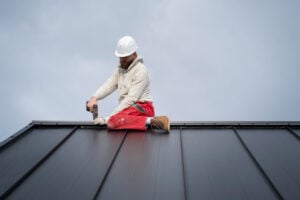
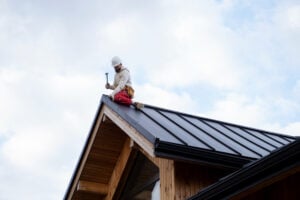
Metal roofing is known for its exceptional durability and reflectivity. Modern metal roofs are highly reflective, which reduces heat buildup and helps maintain comfortable indoor temperatures. They are particularly effective at cooling down quickly after sunset, providing energy savings even at night.
Metal roofs can last 40 to 70 years, offer superior storm resistance, and require minimal maintenance, making them an excellent long-term investment for Tulsa homeowners seeking both energy efficiency and durability.
Tile Roofing (Clay or Concrete)
Tile roofing provides excellent thermal regulation due to its high thermal mass, which naturally slows heat transfer into your home. Tiles can last up to 100 years and are highly resistant to heat, storms, and weather-related wear. They are also eco-friendly and recyclable, making them a smart choice for environmentally conscious homeowners. Tile roofing is ideal for those seeking a combination of longevity, style, and energy savings.
TPO Roofing for Low-Slope Sections
TPO (thermoplastic polyolefin) roofing is an excellent choice for flat or low-slope areas, such as porches, additions, or modern architectural features. TPO roofs have high solar reflectivity, Energy Star-rated options, and strong waterproofing capabilities, making them highly efficient for keeping interiors cool while protecting against water damage.
Synthetic Roofing Materials
Synthetic roofing options mimic the look of luxury materials like slate or wood while providing better energy performance. These roofs are lightweight, long-lasting, reflective, and resistant to warping or heat damage. Synthetic roofing provides the aesthetic appeal of high-end materials without compromising efficiency or maintenance requirements.
Supporting Elements for Energy Efficiency
Energy-efficient roofing is more than just choosing the right material. Supporting elements can significantly enhance overall performance. Proper attic insulation can reduce energy loss by up to 20%, while balanced ventilation prevents heat buildup and extends roof life. Radiant barriers reflect heat away from your attic, further improving cooling efficiency. Light-colored roofing options absorb less heat than darker shingles, enhancing the overall performance of your roofing system.
Signs You May Need an Energy-Efficient Roof Upgrade
There are several signs that it might be time to consider an energy-efficient roof replacement. If your utility bills are unusually high, your attic or rooms remain hot even with air conditioning, or your HVAC system works overtime, your roof may be contributing to inefficiency. Additional indicators include old, dark, or damaged shingles, granule loss, or a roof that is 15 to 20 years old. Upgrading to an energy-efficient system can resolve these issues while providing long-term savings.
Why Professional Installation Matters
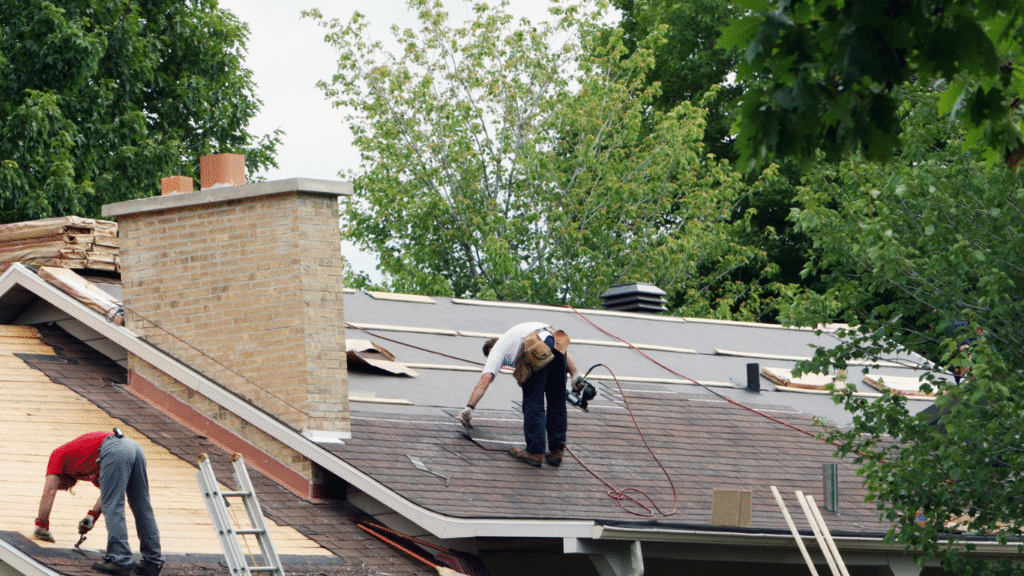
Even the highest-quality materials require proper installation to deliver energy efficiency. Professional installation ensures correct flashing, ventilation, shingle alignment, and underlayment, as well as structural evaluation and effective heat-reduction strategies. Improper installation can reduce energy efficiency by nearly half, making professional expertise a critical component of any successful energy-efficient roof replacement project.
Why More Tulsa Homeowners Are Switching
With hotter summers and increasingly severe weather, energy-efficient roofing has become a smart necessity. Homeowners benefit from improved indoor comfort, enhanced protection against storms, and long-term cost savings. Investing in an energy-efficient roof is no longer optional—it’s a proactive way to protect your home and budget while increasing its value.
Nation’s Best Roofing: Tulsa’s Energy-Efficiency Specialists
Nation’s Best Roofing provides premium materials, skilled installation, warranty-backed systems, storm-resistant solutions, and personalized recommendations. Our inspections evaluate your home’s structure, ventilation, attic, and sun exposure to design the most effective energy-efficient roofing solution.
Scheduling a consultation provides homeowners with a free energy assessment, detailed material comparisons, an estimate, and expert guidance on energy rebates. Upgrade your home with a roofing system built for long-lasting energy performance and lower utility costs.