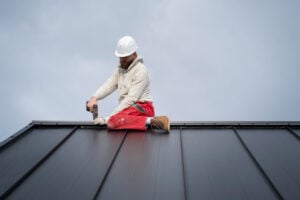
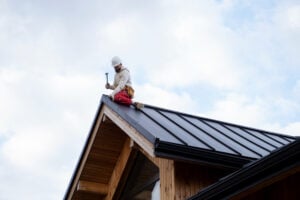
In Oklahoma, standard 3-tab asphalt shingles last 12–18 years. Architectural shingles last 20–25 years. Class 4 impact-resistant shingles last 25–30 years. Metal roofing lasts 40–70 years. Oklahoma’s hail frequency, severe UV exposure, and temperature extremes reduce lifespan by 20–30% compared to manufacturer estimates based on milder climates.
Why Oklahoma Is Harder on Roofs Than Most States
Oklahoma sits in Tornado Alley and receives some of the highest annual hail frequency in the country. Tulsa averages 7–12 significant hail events per year. The combination of large hail, severe thunderstorms, and summer UV index levels among the highest in the continental US creates conditions that accelerate shingle degradation beyond what manufacturer warranties account for.
Expected Lifespan by Material
Standard 3-tab asphalt shingles have a manufacturer estimate of 20–25 years but realistically last 12–18 years in Oklahoma due to granule loss from UV and hail. Architectural asphalt shingles are rated 25–30 years but realistically last 20–25 years. Class 4 impact-resistant asphalt is rated 30–35 years and realistically delivers 25–30 years. Standing seam metal is rated 40–70 years and delivers 40–60 years in Oklahoma. Commercial TPO is rated 15–20 years but realistically delivers 12–18 years due to UV and membrane exposure.
The Role of Ventilation in Roof Lifespan
Attic ventilation is one of the most significant factors in roof longevity and one of the most overlooked. An inadequately ventilated attic in an Oklahoma summer can reach 140–160°F — temperatures that accelerate asphalt oxidation and granule bonding failure from below. Proper ventilation, typically 1 square foot of vent per 150 square feet of attic floor balanced between intake and exhaust, can add years to shingle life.
How to Extend Roof Life in Oklahoma
- Install Class 4 impact-resistant shingles to reduce storm damage accumulation
- Ensure balanced attic ventilation to reduce thermal degradation
- Clean gutters twice per year to prevent water backup and fascia rot
- Trim trees within 10 feet of the roof to reduce debris and moss growth
- Schedule a professional inspection after every significant hail event
- Address flashing failures promptly — small leaks cause exponential deck damage
When Should You Start Planning for Replacement?
Begin budgeting for roof replacement at the 15-year mark for architectural shingles and the 10-year mark for 3-tab. An inspection at 15 years provides a clear picture of remaining useful life. Waiting until visible leaks appear typically means the deck has already sustained water damage — adding cost to the replacement project. Call Nations Best Roofing at (918) 370-0909 for a free inspection.