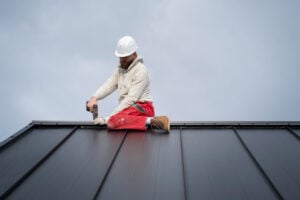
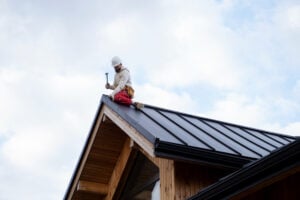
Repairs are appropriate for isolated damage affecting less than 30% of the roof surface, when the roof is under 15 years old, and when the underlying deck is sound. Full replacement is recommended when the roof is 20 or more years old, when damage affects more than 30% of the surface, when there are multiple failing areas, or when granule loss is widespread.
1. Age — 20+ Years
The functional lifespan of standard 3-tab asphalt shingles in Oklahoma is 15–20 years due to UV exposure, freeze-thaw cycles, and hail events. Architectural shingles last 25–30 years under normal conditions. A roof approaching or past these thresholds is a replacement candidate regardless of visible surface condition.
2. Widespread Granule Loss
Granules protect the asphalt layer from UV degradation. When shingles lose granule coverage, the asphalt oxidizes and becomes brittle. Signs include gutters filling with granules after rain, bare or shiny patches visible on shingles, and inconsistent color across the roof. Isolated granule loss can be repaired; widespread loss indicates end of shingle life.
3. Curling or Cupping Shingles
Shingles curl upward at the edges (cupping) or bow in the middle (clawing) when they have absorbed moisture and dried unevenly, or when the attic has inadequate ventilation. Minor curling in one area may be repairable. Curling across more than one roof plane indicates systemic failure.
4. Missing Shingles
Missing shingles expose the roof deck to water intrusion immediately. A small number of missing shingles after a storm can be patched if the surrounding shingles are in good condition. If the remaining shingles are brittle or aged, patching is a short-term fix that may not achieve a weathertight seal.
5. Water Stains on Interior Ceilings
Brown or yellow staining on ceilings or walls indicates active or past water intrusion. Water stains may travel sideways in attic insulation and appear far from the actual penetration point. A professional inspection is needed to trace the entry point before any repair is made.
6. Sagging Roof Deck
A sagging or uneven roofline indicates structural compromise — wet rot, termite damage, or overloading. This requires structural repair, not just shingle replacement. Any visible depression or dip from the ground warrants immediate professional inspection.
7. Moss, Algae, or Lichen
Moss and algae retain moisture against the shingle surface and accelerate granule loss. Lichen is the most destructive — it penetrates the asphalt layer and is very difficult to remove without damaging shingles. Algae black streaks can be treated with zinc sulfate. Moss and lichen on an older roof often indicate replacement is more cost-effective than treatment.
8. Flashing Failure
Flashing seals the joints between the roof and vertical surfaces — chimneys, skylights, dormers, and walls. Failed flashing is one of the most common sources of leaks. Cracked, lifted, or corroded flashing can often be replaced without a full roof replacement if the shingles are otherwise in good condition.
The 30% Rule
If damage or deterioration affects more than 30% of the total roof surface, replacement is typically more cost-effective than repairs. Multiple isolated repairs on an aging roof create inconsistent warranty coverage and a patchwork that rarely performs as well as a new system.
Call Nations Best Roofing at (918) 370-0909 or reach out at our website for a free drone inspection to determine whether your roof needs repair or replacement.