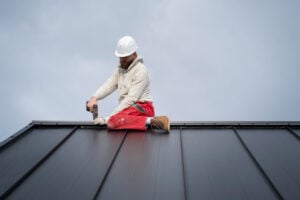
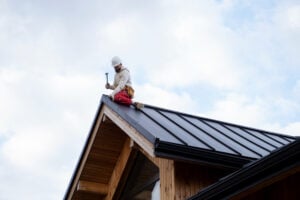
Storm damage restoration is the full process of assessing, documenting, insuring, and repairing damage to a home caused by a weather event — most commonly hail, high winds, or tornadoes. It covers more than just replacing missing shingles. A complete restoration addresses the roof system, gutters, flashing, fascia, siding, and in some cases windows, depending on the scope of the storm damage.
Step 1: Professional Inspection and Damage Documentation
The restoration process begins with a professional inspection to identify and document all storm-related damage. Nations Best Roofing uses drone technology to photograph damage from multiple angles without putting anyone on a potentially compromised roof. The inspection report documents damage type, location, and extent — this report is provided to the homeowner and is used to support the insurance claim.
Step 2: Insurance Claim Coordination
Once damage is documented, the homeowner files a claim with their insurer. The insurer assigns an adjuster to inspect the property. Having your roofing contractor present at the adjuster meeting ensures all damage is identified and that the adjuster’s scope of loss matches the actual repair requirements. Discrepancies between the adjuster’s assessment and the contractor’s assessment can be disputed through a supplemental claim.
Step 3: Scope of Work Agreement
After the insurance claim is approved, the contractor and homeowner agree on a scope of work. This document lists every item being repaired or replaced, the materials to be used, and the total cost. The approved insurance settlement pays for the work minus your deductible. Any work outside the insurance scope — upgrades, additional services — is itemised separately.
Step 4: Material Selection and Scheduling
If the roof is being replaced as part of the restoration, the homeowner selects their shingle material, colour, and any upgrades such as Class 4 impact-resistant shingles. Nations Best Roofing recommends Class 4 shingles for all storm restoration projects in Oklahoma — they qualify for insurance premium discounts and reduce damage in future hail events.
Step 5: Restoration Work
The physical restoration covers all items in the agreed scope. For a typical Tulsa hail event this includes full roof replacement with new underlayment, drip edge, flashing, shingles, and ridge cap. It also includes gutter repair or replacement if damaged, fascia board repair, and any siding or window damage identified in the inspection. All work is completed to manufacturer installation standards to preserve warranty coverage.
Step 6: Final Inspection and Documentation
After work is complete, a final walkthrough is conducted with the homeowner. The contractor provides documentation of the completed work, material specifications, and warranty information. This documentation is important for future insurance renewals and any subsequent claims.
For a full overview of what to do immediately after a storm hits your roof visit our post on what to do after hail storm damages your roof at our website.
You can read more about our storm damage restoration service and request a free inspection at our website.
The Insurance Information Institute provides independent guidance on understanding homeowners insurance claims at iii.
Frequently Asked Questions
Does storm damage restoration only cover the roof?
No. A full storm damage restoration addresses all exterior components damaged by the weather event — this typically includes the roof, gutters, fascia, siding, and windows depending on the damage. The inspection documents all affected areas and the insurance claim covers all confirmed storm-related damage.
How long does storm damage restoration take?
Most residential storm damage restorations in Tulsa are completed within 1 to 3 days once materials are on site. The insurance and scheduling process typically takes 2 to 6 weeks from claim filing to work completion, depending on the insurer and demand volume after major storm events.
Do I have to use the contractor my insurance company recommends?
No. In Oklahoma you have the right to choose your own licensed roofing contractor regardless of any recommendation from your insurer. You are not obligated to use a preferred vendor list contractor.
What if the adjuster misses damage?
If your contractor identifies damage that the adjuster did not include in the scope of loss, a supplemental claim can be filed. Nations Best Roofing assists homeowners in documenting and submitting supplemental claims when warranted.
Is storm damage restoration the same as a regular roof replacement?
The physical work is often the same but the process differs significantly. Storm damage restoration involves insurance documentation, adjuster coordination, and a claims-based payment process. A standard replacement is a direct contractor-homeowner transaction without insurance involvement.